


Metro
Automated monitoring of metro stations and tunnels with 24/7 control
Control of deformation processes of metro facilities in 24/7 mode with automatic notification when critical changes are detected.
Design Solutions
-
01
Architecture of the system
Three-level automated monitoring system (AMS):
Sensors record parameters and transmit data to information collection cabinets, where primary processing and storage take place.
-
02
Controlled parameters
The system monitors key indicators of the structure condition:
Deviations of the tunnel axis;
Deformations of the tunnel cross-section shape;
Deviations of the inclined tunnel axis;
Condition of local defects of tunnel structures and soil mass;
Deformations of the soil mass containing the base of the metro station;
Deformations of the soil mass containing the inclined tunnel.
-
03
Equipment
The complex is built on the basis of modern measuring and control means:
Settlement sensors;
Deformation sensors;
Automatic crack gauges;
Accelerometers and vibration sensors;
Piezometers;
TDR.
Regulatory requirements and technical architecture of the AMS
-
Main regulatory acts
SNiP RK 3.02-05-2010 “Automated monitoring system for buildings and structures”, SP RK 5.01-102-2013 (with amendments) “Bases of buildings and structures” — Section 12 regulates the requirements for geotechnical monitoring, including the placement of sensors (inclinometers, piezometers, strain gauges, etc.), SP RK 1.04-101-2012 “Survey and assessment of the technical condition of buildings and structures”, SP RK 1.04-110-2017 “Survey, assessment of the technical condition and seismic strengthening of buildings and structures” (especially relevant for seismically hazardous zones).
-
Sensor placement
The quantity, types and locations of sensors are determined depending on the complexity category of the facility, geological conditions and risks.
-
Data transmission
Shielded twisted pair cables from sensors to AMS cabinets. Fiber-optic communication lines between cabinets.
-
Power supply
Reliability category 3 + Li-Ion batteries in cabinets (reserve for several days)
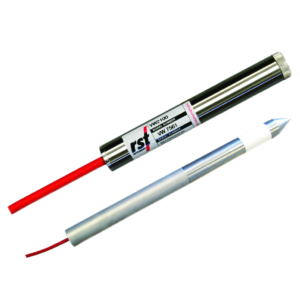
Automated monitoring is based on a wide range of sensors installed on tunnel structures, in the ground and on rolling stock
-
01
Increasing infrastructure reliability
Continuous automated monitoring provides more frequent measurements and full control over the condition of structures, engineering systems and the environment, allowing timely detection of prerequisites for deviations.

-
02
Prevention of emergency situations
Early detection of deviations and dangerous changes allows taking measures before emergencies occur, reducing risks for the facility and its users.

-
03
Optimization of technical maintenance
Transition from scheduled maintenance to maintenance based on the actual condition of the equipment allows more efficient planning of work without compromising operational safety.

-
04
Reduction of operating costs
Timely detection of defects and forecasting of process development reduce costs for emergency repairs, unscheduled stops and restoration works.

-
05
Increasing personnel safety
Automatic data collection reduces the need for manual measurements and inspections in hazardous or hard-to-reach areas.
-
06
Comprehensive facility control
The use of a network of sensors on structures, in the ground and engineering systems provides comprehensive monitoring of the technical condition of the facility in real time.
-
0


Full control of the facility condition in real time

-
Settlement and displacement control
Settlement sensors allow timely detection of uneven deformations of foundations and structures.
-
Monitoring of structural deformations
Deformation sensors provide continuous control of the stress-strain state of load-bearing elements, allowing detection of changes at an early stage.
-
Automatic crack tracking
Crack gauges record changes in expansion joints in real time, helping to assess the dynamics of defect development and take timely measures.
-
Vibration impact control
Accelerometers and vibration sensors monitor dynamic loads, vibrations and vibrational impacts from transport, equipment or seismic activity, ensuring operational safety of the facility.
-
Hydrogeological conditions monitoring
Piezometers monitor groundwater levels and pore pressure, allowing timely detection of changes in the hydrogeological situation and reducing risks of flooding or loss of soil stability.
-
Early detection of soil deformations
The TDR system provides continuous control of the soil mass condition and allows prompt identification of displacement zones, settlements and potentially dangerous geotechnical processes.
-
Unified decision-making system
Combining all sensors into an automated monitoring system provides a comprehensive assessment of the facility condition and automatic notification when threshold values are exceeded.

Leave a request — we will find
a solution for your facility
We will contact you, discuss the details and find a format
that is mutually beneficial.